Water is one of the most destructive elements a home can face—not because of what you can see, but because of everything happening behind the scenes. A burst pipe, appliance overflow, roof leak, basement flood, or sewage backup can quietly infiltrate walls, floors, insulation, and electrical systems.
Unlike fire damage, water damage is often silent. You may notice wet carpet or dripping water, but hidden moisture inside walls or beneath floors can continue causing structural deterioration long after the surface looks dry. This is why professional water damage restoration is essential, even in cases that seem minor.
In this guide, you will learn:
What causes water damage
• The categories of water (clean, gray, black)
• What to do immediately after a water incident
• The complete professional restoration process
• How experts dry, clean, and repair affected areas
• How to prevent mold growth
• Why DIY water cleanup is dangerous
• How insurance plays a role
• When to request professional help
Whether you’re facing a small leak or a major flood, this full breakdown explains what’s required to restore your home safely and effectively.Understanding the Causes of Water Damage
Water damage can happen suddenly or develop slowly due to unnoticed leaks. Common causes include:
Burst or Leaking Pipes
Cold temperatures, aging plumbing, corrosion, or pressure buildup can rupture pipes and release large amounts of water into walls and flooring.
Appliance Failures
Washing machines, dishwashers, refrigerators, and water heaters can malfunction unexpectedly and release water.
Roof Leaks
Storm damage, clogged gutters, missing shingles, or worn roofing materials allow water to seep into the structure.
Basement Flooding
Often caused by drainage issues, foundation cracks, sump pump failures, or heavy rainfall.
Sewage Backups
One of the most hazardous forms of water damage due to contamination and health risks.
HVAC Condensation Leaks
Air conditioning systems produce moisture that can pool and spread without detection.
Weather-Related Flooding
Heavy rain, snowmelt, or severe storms can overwhelm homes quickly.
Regardless of the source, water must be removed promptly to prevent secondary damage.
Water Categories: Why They Matter
Water damage is classified based on contamination level, which determines cleanup methods.
Category 1: Clean Water
Water from sanitary sources such as:
Requires professional cleaning and sanitization.
Category 3: Black Water
Highly contaminated water containing sewage, bacteria, and harmful pathogens.
Sources include sewage backups, floodwater, contaminated groundwater, and toilet overflows with waste.
This category requires specialized equipment, protective measures, and material removal.
What To Do Immediately After Water Damage
Taking the right steps early can reduce further damage.
Shut Off the Water Source
If safe, stop the water at the main valve or appliance connection. If the source cannot be identified, contact a plumber.
Address Electrical Safety
Avoid standing water near outlets, wiring, or electrical appliances. If unsure, wait for professionals.
Document the Damage
Before cleanup, capture:
Photos of affected areas
• Videos of rooms and contents
• Close-ups of damaged belongings
This documentation supports insurance claims.
Protect Valuables
If safe, move electronics, documents, furniture, and personal items to a dry area.
Contact Water Damage Restoration Professionals
Surface drying is not enough. Professionals use moisture detection, industrial drying, sanitization, and structural repair to prevent long-term damage.
Why DIY Water Cleanup Is Dangerous
DIY cleanup often fails because water penetrates deeply into:
Improper drying creates ideal conditions for mold growth inside walls and hidden cavities. Household fans only dry surfaces and can push moisture deeper.
Contaminated water may contain bacteria and toxins. Electrical hazards and weakened structural materials also pose serious safety risks. Professional restoration is required to ensure safety.
The Professional Water Damage Restoration Process
Certified restoration teams follow industry standards to ensure safe recovery.
Inspection and Damage Assessment
Technicians identify the water source, contamination level, moisture spread, and safety hazards using specialized tools.
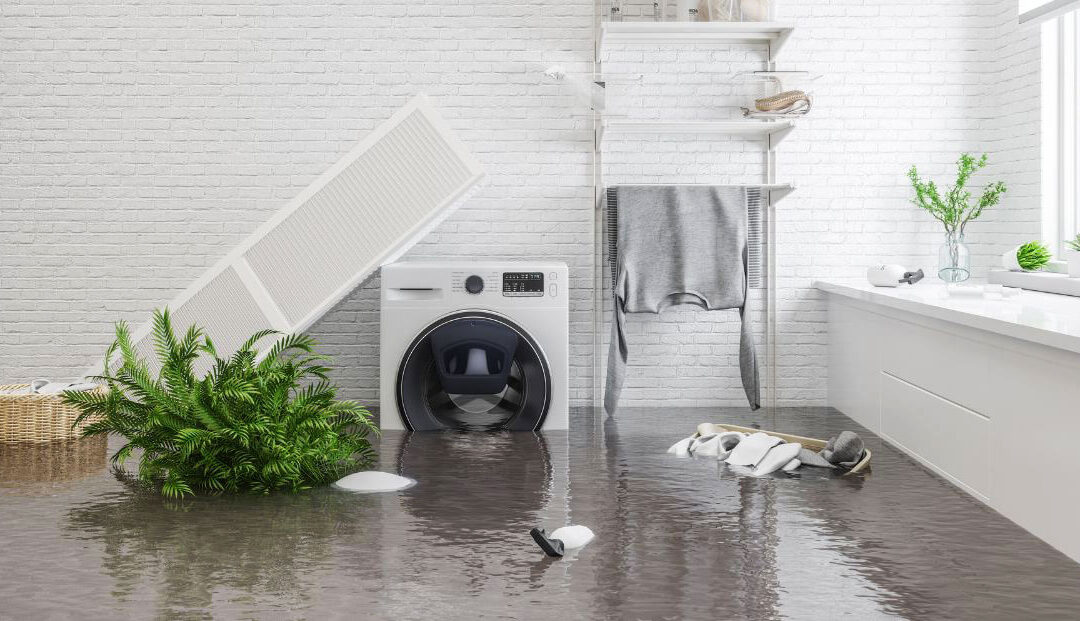
A flooded laundry room shows the aftermath of a washer leak, highlighting the need for fast water damage restoration.
Standing water is removed using professional extraction equipment to prevent further absorption.
Removal of Unsalvageable Materials
Materials that cannot be dried or sanitized are removed to eliminate trapped moisture and contamination.
Structural Drying and Dehumidification
Advanced drying equipment removes moisture from air and building materials, including inside walls and beneath floors. Moisture levels are monitored until safe standards are met.
Cleaning and Sanitization
All affected surfaces are cleaned and treated to prevent microbial growth, odors, and secondary contamination.
Mold Prevention and Air Quality Control
Air filtration, antimicrobial treatments, and humidity control ensure the environment remains safe and mold-free.
Repairs and Reconstruction
Damaged drywall, flooring, cabinetry, and structural components are restored to pre-loss condition.
Insurance and Water Damage
Many insurance policies cover sudden and accidental water damage such as pipe bursts, appliance failures, or storm-related intrusion. Gradual leaks and long-term neglect are typically excluded.
Restoration companies assist by documenting damage, providing reports, taking moisture readings, and coordinating with insurance adjusters. Damaged items should not be discarded until properly documented.
How to Prevent Future Water Damage
Inspect plumbing regularly
• Maintain appliances and replace worn hoses
• Keep gutters and drainage systems clear
• Install water leak detection devices
• Test sump pumps periodically
• Ensure HVAC condensation lines remain clear
Preventive maintenance greatly reduces risk.
Why Choose Alpine Cleaning & Restoration Specialists?Alpine Cleaning & Restoration Specialists is a trusted provider of water damage restoration services, offering:
24/7 emergency water removal
• Professional water extraction and structural drying
• Mold prevention and remediation
• Moisture testing and thermal imaging
• Full sanitization and deodorization
• Complete repair and reconstruction services
• Insurance claim support
• Certified IICRC-trained technicians
• Trusted local experience
Alpine delivers expert care with urgency and precision to protect your home and health.
Water damage can escalate quickly, but with professional intervention, recovery is possible. Acting early and relying on experienced restoration specialists ensures your home is dried, cleaned, repaired, and protected from future complications.
 Understanding the Causes of Water Damage
Water damage can happen suddenly or develop slowly due to unnoticed leaks. Common causes include:
Burst or Leaking Pipes
Cold temperatures, aging plumbing, corrosion, or pressure buildup can rupture pipes and release large amounts of water into walls and flooring.
Appliance Failures
Washing machines, dishwashers, refrigerators, and water heaters can malfunction unexpectedly and release water.
Roof Leaks
Storm damage, clogged gutters, missing shingles, or worn roofing materials allow water to seep into the structure.
Basement Flooding
Often caused by drainage issues, foundation cracks, sump pump failures, or heavy rainfall.
Sewage Backups
One of the most hazardous forms of water damage due to contamination and health risks.
HVAC Condensation Leaks
Air conditioning systems produce moisture that can pool and spread without detection.
Weather-Related Flooding
Heavy rain, snowmelt, or severe storms can overwhelm homes quickly.
Regardless of the source, water must be removed promptly to prevent secondary damage.
Water Categories: Why They Matter
Water damage is classified based on contamination level, which determines cleanup methods.
Category 1: Clean Water
Water from sanitary sources such as:
Understanding the Causes of Water Damage
Water damage can happen suddenly or develop slowly due to unnoticed leaks. Common causes include:
Burst or Leaking Pipes
Cold temperatures, aging plumbing, corrosion, or pressure buildup can rupture pipes and release large amounts of water into walls and flooring.
Appliance Failures
Washing machines, dishwashers, refrigerators, and water heaters can malfunction unexpectedly and release water.
Roof Leaks
Storm damage, clogged gutters, missing shingles, or worn roofing materials allow water to seep into the structure.
Basement Flooding
Often caused by drainage issues, foundation cracks, sump pump failures, or heavy rainfall.
Sewage Backups
One of the most hazardous forms of water damage due to contamination and health risks.
HVAC Condensation Leaks
Air conditioning systems produce moisture that can pool and spread without detection.
Weather-Related Flooding
Heavy rain, snowmelt, or severe storms can overwhelm homes quickly.
Regardless of the source, water must be removed promptly to prevent secondary damage.
Water Categories: Why They Matter
Water damage is classified based on contamination level, which determines cleanup methods.
Category 1: Clean Water
Water from sanitary sources such as:

 Water damage can escalate quickly, but with professional intervention, recovery is possible. Acting early and relying on experienced restoration specialists ensures your home is dried, cleaned, repaired, and protected from future complications.