A bathroom exhaust fan is one of the most important ventilation components in your Utah home. Properly venting your bathroom exhaust fan is essential for protecting your home from mold, moisture, and costly damage.
Many homeowners ask: “Where should the bathroom exhaust go?” Building codes require most bathrooms to have a fan that draws moist air out of the room. This helps prevent condensation, especially after showers. But the critical question is — where should that air be directed?
The Code: Where Should a Bathroom Exhaust Fan Vent?
Understanding Bathroom Fan Requirements
Building codes are clear on where bathroom fans should go: “The air removed by every mechanical exhaust system shall be discharged to the outdoors. Air shall not be exhausted into an attic, soffit, ridge vent or crawl space. Exhaust shall terminate not less than 3 feet in any direction from openings into buildings.” (source)
In other words, your bathroom exhaust fan must always vent to the outside — never into the attic.
Despite this, some contractors cut corners and vent into the attic to avoid cutting through walls or installing proper exterior terminations. This is a serious mistake that Utah homeowners should be aware of.
Why You Should Never Vent Bathroom Fans Into Your Attic
1. Mold Growth
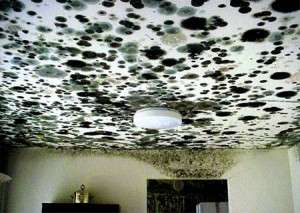
In Utah’s dry climate, cool attic air causes moisture to condense quickly. This creates the perfect environment for mold to grow and spread. Mold is a serious health risk for your family and very expensive to remediate.
2. Structural Damage
In winter, moisture from an improperly vented bathroom exhaust fan condenses in the attic and stays there for months. There’s no heat to evaporate it.
This prolonged moisture causes wood rot, deteriorates brickwork, and destroys insulation. Wet insulation loses its effectiveness, making your home less energy-efficient and more expensive to heat. It can also lead to ice dams — when warm air escapes the attic and melts snow on your roof, which then freezes into an ice dam and causes even more damage.
3. Water Stains
While the stains themselves may seem minor, they’re usually a warning sign of bigger problems. Ignoring them means ignoring the underlying moisture issue that will only worsen over time.
What Should You Do If Your Bathroom Exhaust Fan Vents to the Attic?
The first step is to check your ventilation system. Make sure your bathroom exhaust fan vents directly to the outside. If it doesn’t, call a licensed contractor to have it corrected immediately.
While you’re at it, check your attic for mold. Mold is a serious health risk and must be removed as soon as it’s found.
Alpine Cleaning and Restoration Specialists
Alpine Cleaning and Restoration is both a general contractor and a mold remediation specialist serving Utah homeowners. If your bathroom exhaust fan has been venting into the attic, we can inspect for mold, correct the ventilation, and restore your home.
Don’t wait — the longer moisture sits in your attic, the more expensive the repairs become. Get in touch with us today and let us help protect your home.
Frequently Asked Questions About Bathroom Exhaust Fans
Can a bathroom exhaust fan vent into the attic?
No. Building codes clearly prohibit venting a bathroom exhaust fan into the attic. It must always vent to the outdoors.
What happens if a bathroom exhaust fan is not vented outside?
Moisture builds up in the attic, causing mold, wood rot, damaged insulation, water stains, and potentially ice dams on your roof.
How do I know if my bathroom exhaust fan is properly vented?
Check your attic for any flexible duct from the bathroom fan. It should lead to an exterior wall vent or roof cap — not terminate inside the attic space.
Who can fix improperly vented bathroom fans in Utah?
Alpine Cleaning and Restoration Specialists in Utah can inspect, repair, and re-route your bathroom exhaust fan venting and address any mold issues found.