Mold Removal & Remediation: Causes, Health Risks, and the Complete Professional Cleanup Guide
Mold Is a Silent Threat Growing Behind the Scenes
Mold is one of the most persistent and misunderstood problems affecting residential and commercial properties. Unlike visible damage, mold often develops quietly behind walls, beneath flooring, inside insulation, crawl spaces, and HVAC systems. In many cases, mold grows for weeks or months before any visible signs appear.
Mold thrives wherever moisture exists. Plumbing leaks, roof failures, flooding, condensation, elevated humidity, poor ventilation, and unresolved water damage all create ideal conditions for mold growth. Once moisture is present, mold can grow rapidly on organic materials such as drywall, wood, insulation, carpet, and dust.
Beyond structural damage, mold exposure poses legitimate health risks. Prolonged exposure has been linked to respiratory irritation, allergy flare-ups, asthma complications, sinus infections, and immune system stress. Children, older adults, and individuals with existing health conditions are particularly vulnerable.
Although many property owners attempt to clean mold themselves, effective mold remediation requires professional containment, HEPA filtration, moisture control, and industry-approved remediation methods. Incomplete or improper cleanup frequently allows mold to return and spread further.
What Causes Mold in Homes and Buildings?
Mold growth requires three basic conditions: moisture, organic material, and suitable temperatures. Most indoor environments naturally provide all three, making moisture control the single most important factor in mold prevention.
Water Leaks and Plumbing Failures
Leaking pipes, roof damage, malfunctioning appliances, and deteriorated plumbing connections are among the most common sources of mold growth. Even small leaks hidden behind walls or under cabinets can provide constant moisture that allows mold colonies to expand over time.
Flooding and Water Damage
Flooding from storms, burst pipes, sewage backups, or appliance overflows introduces large volumes of water into building materials. Drywall, insulation, carpets, and subfloors readily absorb moisture, and without thorough drying, mold growth can begin quickly.
High Indoor Humidity
Indoor humidity levels above recommended thresholds significantly increase the risk of mold. Bathrooms, kitchens, basements, crawl spaces, and laundry areas are especially vulnerable due to steam, condensation, and limited airflow.
Condensation and Cold Surfaces
Windows, pipes, concrete walls, and metal fixtures attract condensation when warm air meets cold surfaces. Repeated condensation creates hidden moisture pockets that support mold growth behind finished surfaces.
Poor Ventilation
Inadequate ventilation traps moisture inside a structure. Bathrooms without exhaust fans, sealed basements, crawl spaces, and attics frequently experience chronic humidity that promotes mold development.
HVAC System Issues
Dirty coils, clogged drain lines, and contaminated ductwork can harbor mold and distribute spores throughout a building, impacting indoor air quality across multiple rooms.
Health Risks of Mold Exposure
Mold reproduces by releasing microscopic spores into the air. These spores can be inhaled or come into contact with skin, triggering health effects that vary depending on exposure levels and individual sensitivity.
Common Symptoms
- Sneezing and coughing
- Nasal congestion
- Itchy or watery eyes
- Skin irritation
- Headaches
- Fatigue
More Serious Health Effects
- Asthma flare-ups
- Chronic sinus infections
- Breathing difficulties
- Immune system stress
- Worsening allergies
- Long-term respiratory complications
Toxic Mold Considerations
Certain mold species, including Stachybotrys chartarum, may produce mycotoxins under specific conditions. Exposure has been associated with neurological symptoms, memory issues, and severe respiratory distress. While not all mold is toxic, all mold growth should be treated as a potential health hazard.
Signs of Mold: Visible and Hidden Indicators

Visible Mold Growth
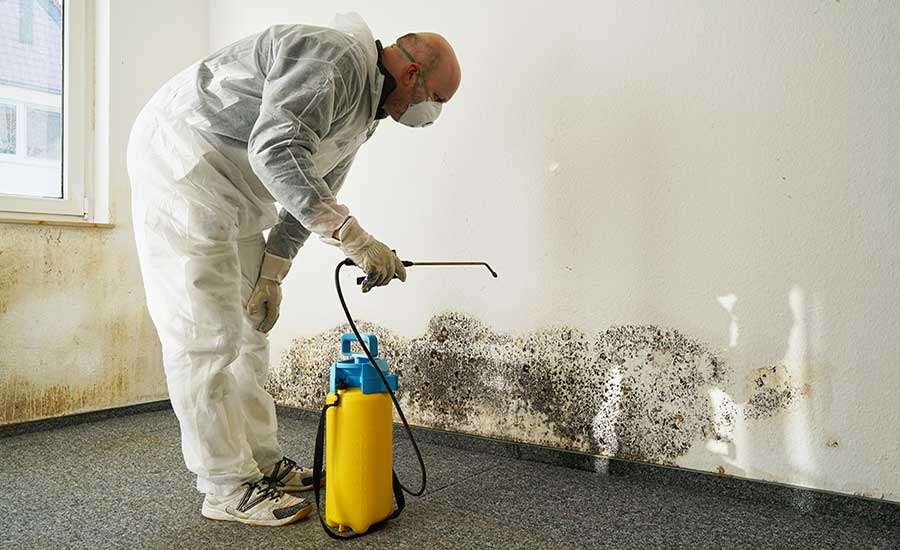
- Black, green, or white spots
- Fuzzy or powdery patches
- Orange, brown, gray, or blue discoloration
Signs of Hidden Mold
- Persistent musty odors
- Bubbling or peeling paint
- Warped or soft drywall
- Ceiling or floor stains
- Increased allergy symptoms indoors
- Excessive indoor humidity or condensation
When mold is not visible, professionals use moisture meters, thermal imaging, air sampling, and surface testing to locate contamination behind walls, under flooring, or inside HVAC systems.
Why DIY Mold Removal Is Ineffective
Surface cleaning with household products rarely solves a mold problem and often worsens it. Visible mold represents only a small portion of the infestation, as mold roots penetrate porous materials.
Bleach may remove stains but does not eliminate mold growth within drywall, wood, or insulation. Without containment, disturbing mold releases spores into the air and spreads contamination. Without HEPA filtration, airborne spores remain suspended and settle throughout the property.
Mold Removal vs. Mold Remediation
Mold removal refers to surface-level cleaning that temporarily removes visible mold. It does not address moisture sources or airborne spores, and mold commonly returns.
Mold remediation is a comprehensive process that eliminates mold growth, corrects moisture conditions, restores indoor air quality, and prevents future recurrence.
The Professional Mold Remediation Process
Inspection and Assessment
Professionals identify moisture sources, visible and hidden mold, airborne contamination, and structural impact using advanced diagnostic tools.
Containment and Air Control
Affected areas are isolated with barriers and controlled airflow systems to prevent mold spores from spreading to unaffected spaces.
HEPA Air Filtration
High-efficiency particulate air filtration removes airborne mold spores and contaminants during remediation.
Removal of Contaminated Materials
Porous materials that cannot be effectively cleaned are carefully removed and disposed of following safety standards.
Cleaning and Antimicrobial Treatment
Remaining surfaces are cleaned using professional antimicrobial solutions, HEPA vacuuming, and specialized remediation techniques.
Moisture Control and Drying
Dehumidification and controlled air movement restore moisture levels to safe standards and prevent regrowth.
Post-Remediation Verification
Air and surface testing may be performed to confirm that remediation has been successful and indoor air quality has been restored.
Repairs and Restoration
Removed materials are replaced, and the property is restored to a clean, safe condition.
Preventing Mold From Returning
- Repair leaks promptly
- Maintain indoor humidity below recommended levels
- Improve ventilation in high-moisture areas
- Service HVAC systems regularly
- Use exhaust fans during cooking and bathing
- Seal basements and foundations
- Maintain gutters and drainage systems
- Monitor condensation-prone surfaces
Why Choose Alpine Cleaning & Restoration Specialists
Alpine Cleaning & Restoration Specialists provides professional mold remediation services focused on safety, precision, and long-term effectiveness. Services include certified inspections, professional containment, HEPA air filtration, moisture control, and complete property restoration.
Request a Professional Mold Remediation Assessment
Every mold situation is unique and requires a tailored approach. A professional assessment ensures all affected areas are identified, moisture sources are corrected, and remediation is performed safely and effectively.
Contact Alpine Cleaning & Restoration Specialists to schedule an inspection or request a no-obligation remediation quote. A certified specialist will guide you through the entire process, from evaluation through cleanup and long-term prevention.