The Real Fire Damage Restoration Begins After the Fire Stops
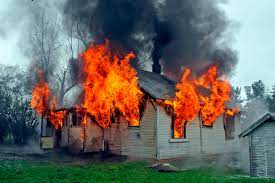
A fire is one of the most devastating events a property can experience. While flames cause immediate destruction, the majority of long-term damage happens after the fire is out. Smoke, soot, acidic residues, water from firefighting efforts, and lingering toxic odors continue to deteriorate your home if not treated quickly.
The aftermath of a fire often leaves homeowners overwhelmed—black residue on surfaces, strong smoke odors embedded in walls, damaged belongings, and uncertainty about what can be saved. The damage is not only physical but emotional, affecting a family’s sense of safety, comfort, and stability.
This guide explains:
-
What fire damage really includes
-
Why smoke and soot are more dangerous than flames
-
How professional fire damage restoration works
-
What to do immediately after a fire
-
When and why expert restoration services are essential
Whether the fire was small or extensive, this guide provides clarity and direction during a stressful time.
What Fire Damage Really Includes (Not Just Burned Items)
Fire damage involves multiple layers of destruction, each requiring specialized treatment.
1. Flame Damage
This includes items directly affected by fire such as charred walls, damaged framing, melted appliances, and compromised structural components. Flame damage is the most visible and often the easiest to identify.
2. Smoke Damage
Smoke spreads far beyond the burned area and penetrates walls, insulation, electrical outlets, furniture, clothing, and HVAC systems. Smoke particles are microscopic and embed deeply into porous materials, creating persistent odors and potential health risks. 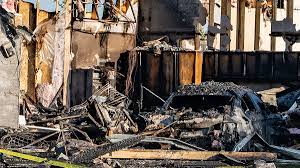
3. Soot Damage
Soot is a fine black residue created by incomplete combustion. It is acidic, sticky, oily, and spreads easily by touch. If not addressed quickly, soot can permanently stain surfaces and contaminate indoor air quality.
4. Water Damage from Firefighting
Fire suppression efforts introduce large amounts of water into the property, resulting in soaked walls, flooring, furniture, and hidden moisture that can weaken structural materials and promote mold growth. Fire and water damage are always treated together during restoration.
Types of Smoke and Why They Matter
Different fires produce different types of smoke, each requiring a specific cleaning approach.
Wet Smoke
Produced by slow-burning fires, often found in kitchen-related incidents. It is sticky, has a strong odor, and smears easily.
Dry Smoke
Produced by fast, high-temperature fires such as electrical fires. It leaves a fine powder residue that spreads quickly.
Protein Residue
Often invisible but highly odorous, leaving yellowish discoloration on walls and surfaces.
Fuel or Oil Residue
More common in garages or commercial environments and extremely difficult to remove without professional methods.
What To Do Immediately After a Fire
Your actions immediately following a fire can significantly impact the recovery process.
Ensure Safety
Do not re-enter the property until it has been declared safe. Watch for structural instability, exposed wiring, falling debris, and slippery surfaces.
Document Everything
Before any cleanup begins, take photos and videos of all damage, keep affected items in place when possible, and save receipts related to emergency expenses or temporary housing.
Prevent Further Damage
If safe to do so, ventilate the space, shut down HVAC systems to prevent soot circulation, protect unaffected belongings, and remove pets from hazardous areas.
Contact Fire Damage Restoration Professionals
Smoke, soot, and moisture continue to cause damage even after the fire is extinguished. Professional intervention should begin as soon as possible to prevent long-term issues.
The Professional Fire Damage Restoration Process
Certified restoration professionals follow industry standards to ensure safe and thorough recovery.
Inspection and Safety Assessment
Technicians evaluate structural integrity, smoke penetration, moisture levels, and salvageable contents using advanced diagnostic tools.
Property Securing
Boarding up windows and securing the structure prevents further weather damage, theft, and unauthorized entry.
Water Removal and Drying
Moisture from firefighting efforts is removed using industrial equipment, followed by controlled drying to prevent mold growth.
Smoke and Soot Removal
Specialized cleaning methods are selected based on the type of residue and affected surfaces to prevent permanent staining or corrosion.
Odor Removal
Professional deodorization targets odor molecules at the source using advanced treatments that penetrate walls, fabrics, and hidden cavities.
Deep Cleaning and Sanitization
Personal belongings, furniture, flooring, electronics, and other contents are carefully cleaned, sanitized, and restored when possible.
Structural Repairs and Reconstruction
Damaged building materials are repaired or replaced, restoring the property to a safe and livable condition.
Health Risks of Smoke and Soot Exposure
Fire residues contain hazardous substances that can affect indoor air quality and personal health. Exposure may lead to respiratory issues, skin irritation, headaches, asthma flare-ups, and other long-term health concerns. Professional cleanup is critical to ensure the environment is safe for occupancy.
Fire Prevention Tips for Homeowners
-
Install smoke detectors throughout the home
-
Keep fire extinguishers accessible
-
Avoid overloading electrical outlets
-
Maintain HVAC systems and chimneys
-
Clean dryer vents regularly
-
Practice safe cooking habits
Preventive measures greatly reduce fire risk.
Why Choose Alpine Cleaning & Restoration Specialists?
Alpine Cleaning & Restoration Specialists provides comprehensive fire damage restoration services with a focus on safety, precision, and care. Their team handles emergency response, certified cleanup, advanced odor removal, structural repairs, and insurance coordination to ensure a smooth recovery process.
Fire damage is overwhelming, but recovery is possible with the right professional support. Acting quickly, documenting the damage, and relying on experienced restoration specialists can help restore your property safely and effectively. Expert help is available when you need it most.