Introduction
Northern Utah’s distinctive climate, characterized by heavy snowy winters followed by rapid spring runoff, creates an ideal environment for mold growth in homes. As winter snow begins to melt and temperatures steadily rise, the resulting moisture seeps into basements, crawl spaces, and other vulnerable areas. This combination of lingering dampness and occasional flooding significantly increases the risk of mold infestations. Spring and early summer, in particular, become prime seasons for mold-related problems, as elevated humidity levels and wet conditions provide the perfect breeding ground for spores to take hold. Homeowners need to be especially vigilant during this period to prevent structural damage and safeguard indoor air quality.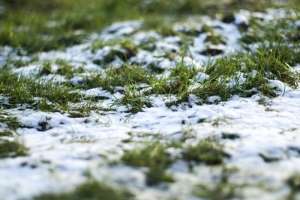
Why is Northern Utah Prone to Mold?
The combination of snowmelt, spring rains, and sometimes even summer thunderstorms, leads to increased humidity and potential water intrusion in basements and crawl spaces. Northern Utah’s fluctuating temperatures can also cause 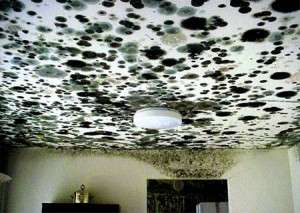 condensation on surfaces, providing the necessary moisture for mold spores to thrive. Common building materials like drywall and wood act as a food source for mold, making it even more important to address water issues quickly.
Health Risks Associated with Mold
Mold is not just an unsightly nuisance; it can also pose serious health risks. Exposure to mold spores can lead to respiratory issues, allergic reactions, and even more severe health problems for individuals with compromised immune systems. Symptoms of mold exposure can include coughing, sneezing, skin rashes, and eye irritation. In some cases, prolonged exposure to mold can lead to chronic respiratory conditions such as asthma. Therefore, it is crucial to address mold problems promptly to protect the health and well-being of your family.
Mold Remediation: Beyond DIY
While small mold problems (less than 10 square feet) can sometimes be handled with DIY methods, larger infestations require professional mold remediation. Mold can penetrate deep into porous materials, making surface cleaning ineffective. Simply bleaching or fogging often isn’t enough and can even spread the problem or damage your home. Professional mold remediation companies in Northern Utah have the expertise, specialized equipment, and containment procedures to safely and effectively remove mold, ensuring it doesn’t return.
Key Mold Removal and Remediation Steps:
- Inspection and Assessment: A professional will identify the extent of the mold problem and the source of moisture.
- Containment: The affected area is sealed off to prevent the spread of spores during removal.
- Air Filtration: HEPA air scrubbers are used to capture airborne mold spores.
- Removal of Moldy Materials: Contaminated materials like drywall, insulation, and carpeting may need to be removed and properly disposed of.
- Cleaning and Disinfection: Remaining surfaces are cleaned and treated with EPA-registered fungicides.
- Drying: Thoroughly drying and dehumidifying the area is essential for mold remediation.
- Restoration: Repairs and reconstruction of damaged areas are completed.
- Moisture Source Repair: It’s critical to repair the original cause of water intrusion so mold problems don’t return.


Preventing Mold in Northern Utah Homes
- Control Humidity: Use dehumidifiers, especially in basements and crawl spaces, to keep humidity levels below 60%.
- Address Leaks Promptly: Fix any plumbing leaks, roof leaks, or foundation cracks immediately.
- Proper Ventilation: Ensure adequate ventilation in bathrooms, kitchens, and laundry rooms.
- Manage Snowmelt: Clear snow away from your foundation and ensure proper drainage.
- Regular Inspections: Inspect your home regularly for signs of water damage or mold growth, especially after heavy rains or snowmelt. Look for musty odors, discoloration, or visible mold.
The Importance of Professional

Professional mold testing can provide a comprehensive assessment of the mold situation in your home. Certified mold inspectors use advanced tools and techniques to detect hidden mold, measure indoor air quality, and identify the types of mold present. This information is crucial for developing an effective remediation plan. Additionally, professional testing can help determine if mold levels are within safe limits after remediation, giving you peace of mind that your home is mold-free.
We Can Help
Keeping things dry is important, but sometimes circumstances are beyond your control. With the rains and melting snow, spring is a very wet season. Floods occur frequently, and water easily leaks into basements. When that happens, it’s essential to dry it out quickly. Alpine Cleaning & Restoration can help you with that. Our dehumidifiers will remove the water from your home, while our technicians will locate and repair sources of flooding, so you’ll have less worry in the future. We offer comprehensive mold remediation services, including inspection, containment, removal, cleaning, and restoration. We also provide water damage restoration services to address the root cause of mold growth, preventing future problems.
Alpine Cleaning & Restoration is ready to assist with both mold prevention and remediation throughout Northern Utah. We serve a wide area, including Utah County, Salt Lake County, Davis County, Weber County, Box Elder County, Cache County, and Garden City, Utah. With offices conveniently located in Smithfield, North Salt Lake, and Lindon, Utah, we’re able to respond quickly to your mold and water damage needs. Get in touch with us right away if you notice problems with dampness. We’ll help you get it under control before mold has a chance to take root, and if it already has, we’ll do everything it takes to eliminate it.
Additional Tips for Mold Prevention
- Use Mold-Resistant Products: When building or renovating, consider using mold-resistant drywall and paint. These products are designed to inhibit mold growth and can be particularly useful in areas prone to moisture, such as bathrooms and basements.
- Maintain Your HVAC System: Regularly clean and maintain your heating, ventilation, and air conditioning (HVAC) system to prevent mold growth in ducts and filters. Ensure that your HVAC system is properly sized for your home to avoid excess humidity.
- Monitor Indoor Plants: Over watering indoor plants can create a humid environment conducive to mold growth. Use well-draining soil and avoid letting water accumulate in plant saucers.
- Educate Your Family: Make sure everyone in your household understands the importance of mold prevention. Encourage habits such as wiping down wet surfaces, using exhaust fans, and promptly reporting any signs of water damage.

For immediate help, you can contact Alpine Cleaning & Restoration Specialists anytime—day or night—with their 24/7 emergency services across Utah. Whether you’re dealing with fire, flood, mold, or storm damage, their certified disaster response teams are ready to respond quickly. Call the office closest to you: Smithfield at (435) 563-3707, North Salt Lake at (801) 486-4301, Layton at (801) 546-4600, or Utah County at (801) 515-4155. Alpine Cleaning has locations in Smithfield and Lindon, ensuring fast local response throughout the state. Don’t wait—reach out right away to get expert restoration services and peace of mind.