Basement Floods: Complete Safety and Cleanup Guide
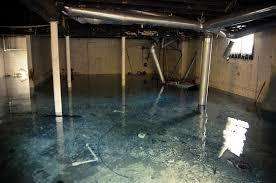
A flooded basement can be one of the most stressful and damaging experiences for homeowners. Water can seep in from heavy rains, broken pipes, foundation leaks, or natural disasters, leaving behind potential structural damage, mold growth, and health hazards. Knowing how to respond safely and effectively is critical to protecting your home and your family. Alpine Cleaning and Restoration recommends following these steps for a safe and thorough cleanup.
1. Stay Safe and Understand the Risks
Flooded basements are serious safety hazards. Water in your basement may carry bacteria, chemicals, and debris. Additionally, water and electricity are a deadly combination. Here are some essential precautions:
-
Avoid entering the basement if possible: If the water depth exceeds an inch or covers the entire floor, it’s safest to wait for professional help.
-
Wear protective gear: If you must enter, use waterproof boots, gloves, and, ideally, a face mask to reduce exposure to harmful contaminants.
-
Avoid electrical hazards: Do not touch electrical wiring, appliances, or outlets. Turn off the electricity and gas supply before entering a flooded basement. Even low-level water can conduct electricity and cause severe injury or death.
-
Watch for structural dangers: Floodwaters can weaken walls, floors, and stairs. Avoid areas that appear unstable or damaged.
Tip: Always keep a battery-powered flashlight on hand instead of relying on electrical lights.
2. Assess the Situation
Before you start any cleanup, carefully assess the extent of the flooding:
-
Determine the water source: Identify whether it’s from a burst pipe, heavy rain, sewer backup, or groundwater seepage. Understanding the source helps prevent further flooding and guides the cleanup process.
-
Estimate the water level: Shallow flooding (less than an inch) may allow for DIY cleanup, but deeper water requires professional pumps and equipment.
-
Check for hazardous materials: Chemicals, gasoline, or other hazardous substances can mix with floodwater. If you see any, avoid the area and call professionals.
3. Remove Standing Water Safely
Removing standing water is essential to prevent further damage and mold growth:
-
Use a sump pump or wet vacuum: For minor flooding, a wet/dry vacuum can be used to remove water. For deeper flooding, a submersible pump may be necessary.
-
Avoid DIY pumping if water is contaminated: Sewage or chemical-laden water should be handled by professional restoration services.
-
Dispose of water carefully: Ensure that water is directed to a safe drainage area away from your home’s foundation.
4. Protect Your Home and Belongings
Once the water is removed, immediate steps are needed to protect your home:
-
Move furniture and valuables: Remove furniture, electronics, and other personal belongings to a dry area. Items that have absorbed water may need to be discarded to prevent mold.
-
Salvage what you can: Dry documents, photos, and important papers using gentle methods, such as air-drying or using a low-heat hairdryer.
-
Prevent mold growth: Open windows, run fans, and use dehumidifiers to remove moisture. Mold can begin growing within 24–48 hours, so act quickly.
5. Thorough Cleaning and Disinfection
Floodwater can leave behind bacteria and contaminants that must be cleaned properly:
-
Scrub surfaces: Use soap and water to clean floors, walls, and other hard surfaces.
-
Disinfect with bleach: A solution of 1 cup of bleach to 1 gallon of water can help kill bacteria and prevent mold. Always wear gloves and ensure proper ventilation.
-
Dispose of contaminated items: Carpets, rugs, or insulation soaked with contaminated water may need to be discarded.
6. Inspect for Structural Damage
After the cleanup, it’s important to check your basement for lasting damage:
-
Foundation cracks: Water can weaken your foundation over time. Inspect walls and floors for cracks or bulges.
-
Floor and wall damage: Wooden floors or paneling may warp or rot after flooding. Check for signs of damage and repair promptly.
-
Electrical and plumbing systems: Have a licensed professional inspect wiring, outlets, and pipes to ensure safety before restoring full power.
7. Prevent Future Flooding
Once your basement is clean and dry, take steps to minimize future risk:
-
Install a sump pump: A reliable sump pump can prevent future basement flooding. Consider a backup battery system in case of power failure.
-
Seal cracks and leaks: Waterproof your basement by sealing foundation cracks and checking window wells.
-
Maintain gutters and drainage: Ensure rainwater flows away from your home’s foundation.
-
Consider a flood alarm: Early warning systems can alert you to water presence before it becomes severe.
8. When to Call Professionals
Even with careful cleanup, some situations require professional restoration services:
-
Deep or contaminated flooding (e.g., sewage or chemical water)
-
Extensive mold growth
-
Significant structural damage
-
Electrical or plumbing hazards
Professional restoration teams have the equipment, experience, and safety training to restore your basement efficiently and safely.
-
If it’s safe, Try to Determine the Cause and Shut Off the Failed Plumbing or Water Source as Quickly as You Can!
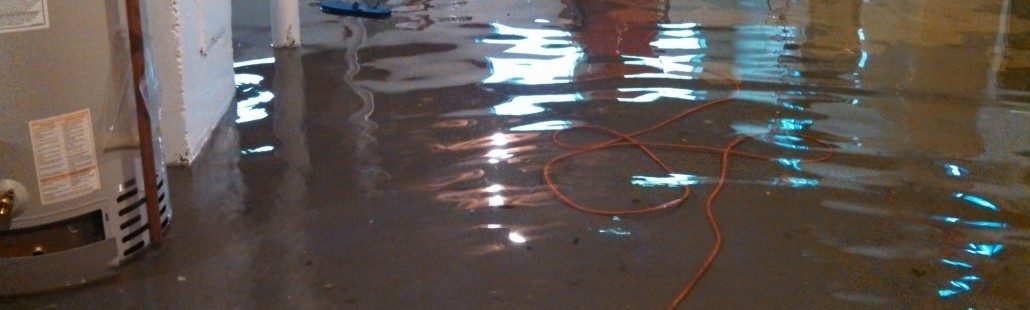
Heavy rains leading to swollen groundwater levels cause the majority of basement floods. Some basement flooding is caused by plumbing, or other water source failures. If a water pipe, washer hose, or other pressurized water source fails, it could spew gallons into your basement. In this type of situation, your first step in solving the problem would be to turn off any failed plumbing to prevent more flooding. Sometimes the source of unwanted water is obvious, such as a busted water line. In other cases, water may be leaking into your basement in different areas. You may need to took carefully to find them.
-
Call Alpine Cleaning and Restoration and We Will Be There to Help ASAP!
Alpine Cleaning and Restoration Specialists are professionals who come to the rescue when you need someone to pump out a flooded basement. We have the equipment to dry out your home before rot and mold has a chance to settle in. You will want to have us visit your home within 48 hours to avoid mold growth. That’s why Alpine Cleaning and Restoration Specialists promises a 1-hour response time to all flooding emergencies. Get in touch with us and we will be there imediatley.