Frozen Pipes – Winter Has Arrived
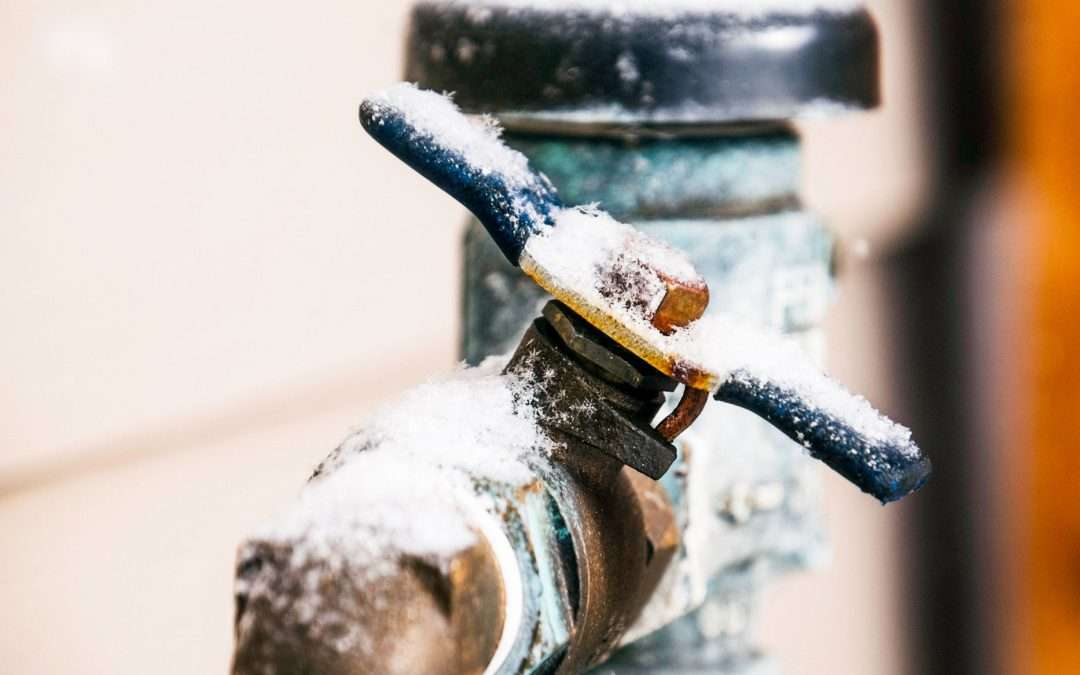
After Tuesday night’s storm, temperatures across Utah have plunged well below freezing, bringing a host of challenges. Heavy snow can strain and even collapse roofs, while icy sidewalks increase the risk of slips and falls. And of course, there’s always that one neighbor who borrows your snowblower and somehow never returns it (we see you, Adrian!). But beyond these inconveniences, one of the most serious threats homeowners face in this weather is frozen pipes.
Frozen Pipes 
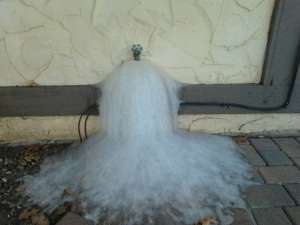
Frozen pipes are a common problem in any winter month. They can be difficult to thaw out and, if not fixed quickly, could burst and flood your home. There’s nothing worse than flood damage when it comes to ruining the value of your property, so be sure to protect yourself against frozen pipes. KSL.com has provided a useful article that provides some pretty good tips for keeping your pipes from freezing. In addition to what KSL has to say, we’d like to add some extra tips you might find useful.
Additional Tips
- Drain water from swimming pool and water sprinkler supply lines following manufacturer’s or installer’s directions. Do not put antifreeze in these lines unless directed. Antifreeze is environmentally harmful, and is dangerous to humans, pets, wildlife, and landscaping.
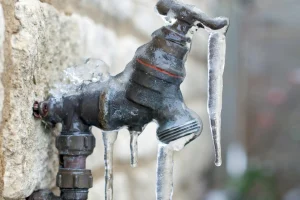
- Remove, drain, and store hoses used outdoors. Close inside valves supplying outdoor hose bibs. Open the outside hose bibs to allow water to drain. Keep the outside valve open so any water remaining in the pipe can expand without causing the pipe to break.
- Add insulation to attics, basements and crawl spaces. Insulation will maintain higher temperatures in these areas.
- Check around the home for other areas where water supply lines are located in unheated areas. Look in the garage, and under kitchen and bathroom cabinets. Both hot and cold water pipes in these areas should be insulated.
- Consider installing specific products made to insulate water pipes. Pipe sleeves, UL-listed heat tape, heat cable, or similar materials can keep exposed water pipes warm. In a pinch, newspaper can provide some degree of insulation and protection to exposed pipes. For pipes not normally subject to freezing temperatures ¼” of newspaper can provide significant protection.
- Consider relocating exposed pipes to provide increased protection from freezing.
Give Us A Call
With proper care, you can protect your pipes from freezing over, but there’s always the chance something else can go wrong. If your pipes do freeze and burst, it will cause flooding when the pipes thaw out. If you experience flooding as a result of burst pipes, get in touch with us.  We are on call 24/7 and promise a 60-minute disaster response time for just such an event. We’ll get your house cleaned and dried before mold has a chance to set in. Afterwards, you won’t be able to tell that any damage ever happened.