
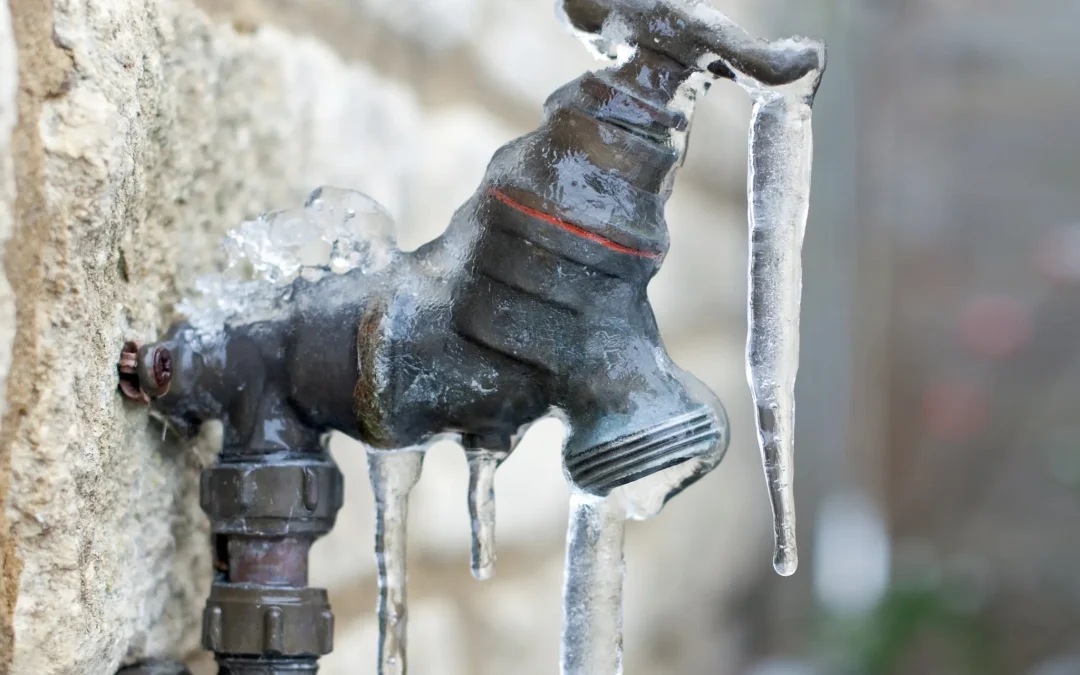

The Frozen Hose and Faucet Checklist
It’s not winter yet, but winter is coming. There’s no clearer sign of it than how quickly the nights are cooling down. Here in Utah and Idaho, frost and freezing can start to happen before winter actually begins, so now is the time to start protecting your home from the coming cold. There’s no better place to start than with your hoses and outdoor faucets. You don’t want them to get frozen during the cold months ahead.
Remove the Hoses
You might be wondering why you have to unplug your hoses if you turned off the water. After all, how can it freeze if there’s no water running to it? Just turning off the faucets is no guarantee. Even if your faucets are not putting out water, that doesn’t mean there’s no water in the hoses. While the water may have stopped spraying, there’s still water inside the hose. Your best efforts to get it all out won’t get everything. During the summer, excess water will evaporate in the heat. In the fall, it never gets warm enough for that. By the time the first frosts roll around, there’ll be plenty of water leftover in the hose; enough to burst your hoses if you leave them out. This may even potentially damage the faucets they’re attached to.
Inspect The Faucets
 Once you’ve removed the hoses, inspect the faucets. Check all the faucets for leaks and drips. Even a small leak is enough to freeze. If the water freezes, the expansion could damage the faucet or the pipes connected to it. Frozen faucets lead worse leaks and possible flooding in the spring. Worse, if it freezes during the winter, it can become impossible to do anything about it until spring. So, if you do find any leaks while inspecting your faucets, correct them before the winter hits.
Here’ we’re talking specifically about the outside faucets. If you’d like to learn more about how to winterize your pipes to prevent them from freezing, we have another article you can check out.
Storing Your Hose
Once you’ve inspected the faucets, it’s time to store your hoses away for the winter. It’s easier to do while it’s still a little warm, so don’t delay. First, do your best to drain your hose. Elevate it at one end so the water runs down, then slowly walk along the length of the hose, elevating each position as you pass. When you get to the other end, keep it elevated until the water stops dripping out. Afterward, coil it up, making sure there are no kinks. The coil should be about three feet in diameter. Be sure to connect the end fittings to keep insects from crawling into it and plugging it up. Once this is done, store the hose in a warm location off the floor. A hose hanger or shelf in the garage is usually the best bet.
Enjoy the Winter
Despite the chill in the air, winter still has plenty to enjoy—cozy nights indoors, holiday gatherings, and the beauty of fresh snowfall. But with all the good things winter brings, it can also set the stage for potential problems, especially when it comes to flooding once the snow starts to melt. While our team is always ready to help with flood cleanup and restoration if the worst happens, prevention is always the smarter option. Taking a few simple steps now—like clearing gutters, checking your sump pump, and sealing any foundation cracks—can save you from bigger headaches later. It’s far better to stop water  damage before it starts than to deal with the aftermath. And of course, if you need guidance, supplies, or professional help at any stage, don’t hesitate to reach out to us. We’re here to keep your home safe, dry, and comfortable all season long.