What Do You Do In an Emergency?
These emergency restoration tips can help you respond quickly when disaster strikes. When disaster strikes, such as a fire or flood, the damage to your home can be overwhelming. Even after the initial crisis is under control, the challenges are far from over. The next step is tackling the difficult, time-consuming, and often costly process of cleaning up and restoring your property. But where should you begin? To help guide you, here are some key do’s and don’ts for handling emergency restoration.
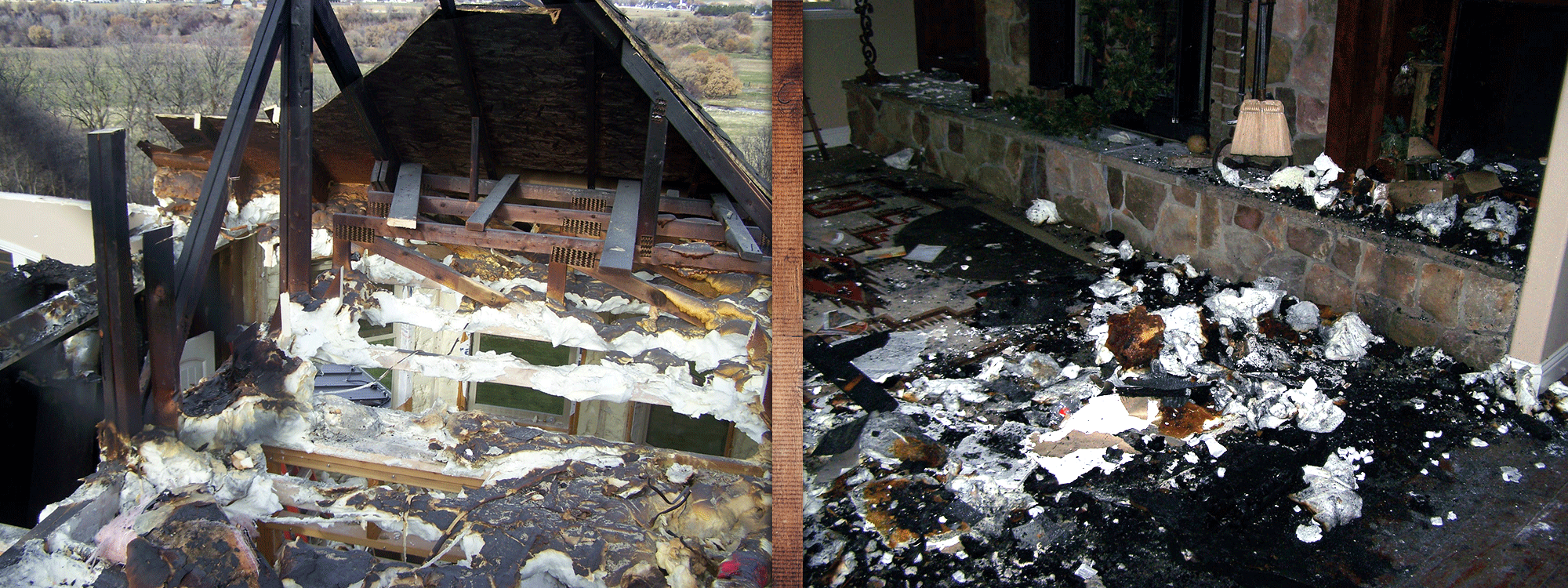
Smoke and Fire Damage
Do’s
- Gently blow off or brush-vacuum loose soot particles from upholstery, drapes, and carpets.
Loose soot can quickly settle into fabrics and fibers, making stains permanent. Using a gentle vacuum or air blower prevents further embedding and makes professional cleaning more effective later. Avoid pressing too hard—this can grind the soot deeper. - Protect carpeted traffic areas with towels or old linens to prevent further soiling.
Walking across smoke-damaged carpets can grind soot deeper into the fibers. Laying down towels, sheets, or old linens creates a temporary barrier, keeping damage from spreading until professional cleaners arrive. - Safely discard any open food packages that may be contaminated.
Smoke, soot, and heat can make food unsafe, even if it looks fine. Chemicals released during a fire can seep into packaging, making the food toxic. Throwing it away ensures your family’s safety. - If your electricity is off, clean out your freezer and refrigerator. Leave the doors propped open or place charcoal inside to absorb odors.
Without power, perishable food will spoil quickly. Leaving the appliance sealed will trap odors, making cleanup harder. Propping doors open or placing activated charcoal, baking soda, or coffee grounds inside helps absorb foul smells until the unit is professionally cleaned. - Take heavily smoke-damaged clothing to a qualified professional dry cleaner.
Smoke-damaged fabrics require specialized treatment. A professional cleaner has the right solvents and equipment to restore clothing safely. Trying to wash them at home may lock in stains and odors permanently. - Clean Formica and chrome fixtures in kitchens and bathrooms promptly to prevent permanent tarnishing.
Smoke and soot are acidic and can cause metal and laminate finishes to corrode. Wiping these surfaces down early reduces the chance of permanent damage or costly replacements. - Wipe smoke residue from porcelain bathroom fixtures to avoid etching.
Porcelain is porous and can absorb acidic soot, leading to etching or staining. A quick wipe-down with a damp cloth reduces the risk of long-term damage until deep cleaning can be done. - Carefully wipe the leaves of houseplants to remove smoke residue.
Smoke particles can block sunlight and interfere with photosynthesis, harming your plants. Gently wiping the leaves with a damp cloth restores their ability to breathe and thrive. - Replace the furnace air filter if you use a forced-air system.
Soot particles spread quickly through ventilation systems. Replacing the filter prevents additional circulation of contaminated air and reduces lingering smoke odors. - Cover intake and outlet air registers with damp cheesecloth to trap loose soot in the air.
Damp cheesecloth acts as a temporary filter, catching airborne particles before they circulate further into your home. This is an inexpensive, effective way to reduce air contamination until professionals can clean the ducts. - When temperatures are above 60°F, air out the home to help reduce smoke odors.
Fresh air circulation dilutes lingering smoke and helps dry damp areas, reducing both odors and the risk of mold growth. Opening windows and using fans (if safe) accelerates the process.
Don’ts
- Don’t wash wallpapered or flat-painted walls without consulting a professional.
Soot stains can smear and seep deeper into porous surfaces, making the problem worse. A professional cleaner has specialized products and techniques to remove residue safely. - Don’t attempt to clean carpets or upholstered furniture on your own.
DIY methods often push soot deeper into fibers or cause permanent discoloration. Professionals use industrial-grade vacuums and cleaning agents designed for smoke damage. - Don’t use electrical appliances exposed to fire or water until inspected.
Even if they look undamaged, appliances may have internal short circuits or water infiltration. Using them could cause electrocution or fire. - Don’t turn on ceiling fixtures if the ceiling is wet.
Water damage near wiring increases the risk of electrical shorts, sparking, and even fire. Wait for professional clearance before using any fixtures in wet areas. - Don’t touch soot-covered surfaces.
Oils from your skin can react with soot, causing permanent stains on walls, wood, and fabrics. Until cleaning begins, avoid touching anything damaged. - Don’t eat food that’s been exposed to fire or smoke.
Toxic chemicals from smoke can permeate packaging, making the food unsafe. Even canned goods exposed to high heat may no longer be safe to consume. - Don’t delay calling a professional restoration company.
Smoke and soot damage worsens over time—stains set, odors penetrate deeper, and corrosion spreads. Quick professional intervention prevents secondary damage and reduces costs.
 When disaster strikes, every second counts. Whether it’s water damage, fire damage, mold, or storm cleanup, our team at Alpine Cleaning is available 24/7 to respond quickly and professionally. Don’t wait and let the damage get worse—call us right away at 1-855-4ALPINE for fast, reliable emergency services you can trust.
Water Damage

Do’s
- When the outside temperature is above 60 degrees, use dehumidifiers if available.
- Use fans to circulate the air and assist drying.
- Remove as much water as possible by mopping and blotting.
- Wipe furniture dry.
- Lift draperies off carpet, loop through a coat hanger, and place the hanger on the drapery rod.
- Prop up wet furniture cushions for even drying and place small wood blocks or aluminum foil under furniture legs.
- Remove wet area rugs or other floor coverings.
- Open furniture drawers, closet doors, and luggage to enhance drying.
- Move photos, paintings, and art objects to a safe, dry location.
- Remove wet fabrics and dry them as soon as possible. Hang furs and leather goods to dry separately at room temperature.
- Remove damp books from shelves and spread them out to dry.
- If damage occurs during a cool season, leave heat on; if in summer, use an air conditioner if available.
Don’ts
- Do not attempt to remove chemical stains such as ink or paint.
- NEVER operate damaged electrical appliances.
- Do not throw away damaged wood chips or other small articles. They might be helpful for repair.
- Do not use household cleaning products on fabrics, upholstery, or carpet without consulting a professional cleaner.
Let Us Help
When an emergency hits, response time is critical to avoid permanent damage to your home. That’s why Alpine Cleaning and Restoration Specialists guarantees that we’ll be there within 60 minutes of your call or e-mail. Your satisfaction is our first priority and we’ll do our best to get you back on your feet as soon as possible. Get in touch with us today and find out how we can help you.